
mirror with lights wall mounted
Understanding Manual Knife Gate Valves Manual knife gate valves are specialized devices used to control the flow of fluid through a pipeline. Unlike traditional valves, knife gate valves are designed with a sharp-edged gate that can slice through the medium, providing a reliable shut-off. This unique feature makes them particularly useful in applications where the flow contains solid particles, sludges, or other viscous materials. One of the key advantages of manual knife gate valves is their simplicity in design and operation. They are typically operated by a handwheel or lever, allowing for manual control of the flow . This makes them ideal for environments where automation is not feasible or necessary. The straightforward mechanism not only makes installation and maintenance easier but also ensures that operators have direct control over the valve's position. Knife gate valves are particularly effective in sectors like wastewater treatment, mining, and pulp and paper industries, where the fluid media often contain solids. Their design allows for full gate closure, preventing leakage and spillage, which is crucial for both safety and environmental protection. Additionally, the ability to handle slurries and viscous substances enhances their versatility across various applications. manual knife gate valve When selecting a manual knife gate valve, it is essential to consider several factors such as size, material, and pressure rating. These valves are available in various sizes, typically ranging from a few inches to several feet in diameter. The choice of material is also critical, with options including stainless steel, cast iron, and plastic, each suitable for different operating conditions and types of fluids. Furthermore, ensuring that the valve is rated for the specific pressure and temperature conditions of the application is vital for optimal performance. Installation of these valves generally requires minimal effort, but proper alignment is crucial to prevent wear and extend the life of the valve. Regular maintenance, including inspections for signs of wear and tear, can help maintain functionality and prevent unexpected failures. Manual knife gate valves also allow for easy access to internal components for cleaning or replacement, which is particularly beneficial in applications dealing with abrasive materials. In conclusion, manual knife gate valves play a pivotal role in fluid control within various industries. Their design allows them to efficiently handle challenging media, and their manual operation ensures reliability and straightforward maintenance. As industries continue to evolve, the demand for durable and efficient flow control solutions, such as knife gate valves, will likely rise, reinforcing their significance in the engineering landscape.
about
mirror with lights wall mounted
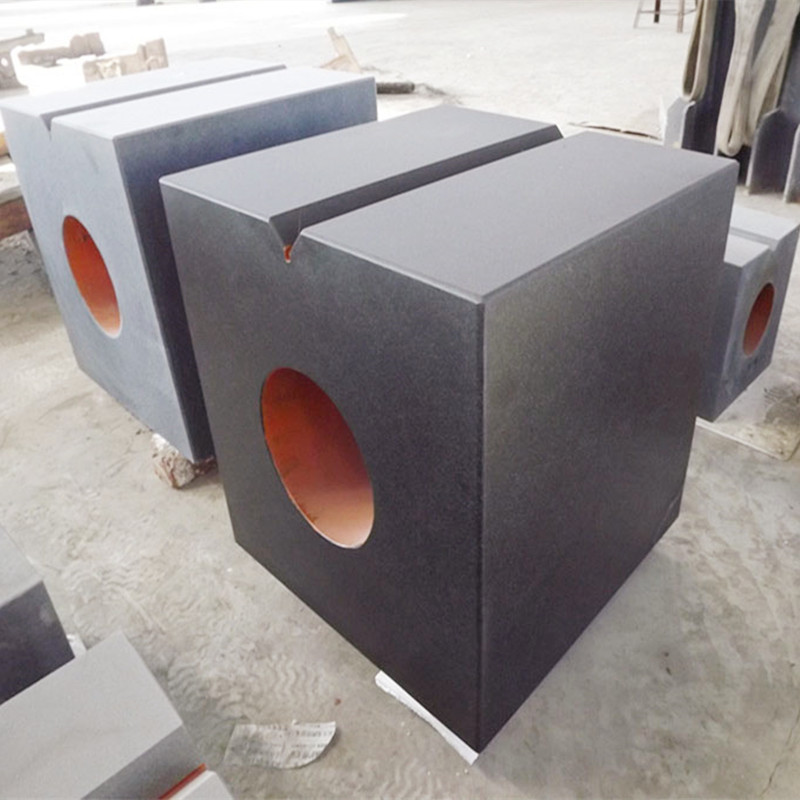
The Plain vs. Block Debate Perspectives on Design and Functionality In the world of architecture and design, debates often arise regarding the choice of forms, materials, and styles. One such ongoing discussion is the contrast between plain designs and block designs. This thematic exploration investigates the aesthetics, functionality, and cultural implications of these two diverse approaches, providing insight into why designers may favor one over the other. The Plain vs . Block Debate Perspectives on Design and Functionality Conversely, block design typically features bold shapes and pronounced volumes. This style thrives on robustness and geometric forms. Block structures can create a sense of presence and authority, often being utilized in commercial buildings, public spaces, and modern homes. The use of concrete, steel, and glass enhances the feeling of strength and permanence. Many architects, like Louis Kahn and Le Corbusier, have embraced block design to craft monumental structures that serve as both functional spaces and works of art. Block design can evoke a sense of modernity, innovation, and even playfulness when creatively employed. plain v block The choice between plain and block designs can significantly impact the functionality of a space. Plain designs may be more adaptable, allowing for easier integration of various furnishings and decor styles. They provide a versatile backdrop that can easily be modified as needs change. In contrast, block designs often impose a specific character on a space, making it more distinctive and memorable. This can be advantageous in creating landmark buildings that define a city’s skyline or cultural identity. Furthermore, cultural context plays a pivotal role in determining the preference for plain versus block designs. In some regions, plain designs may reflect a desire for harmony with nature and sustainability, aligning with local values and traditions. Simplicity can symbolize a return to fundamental human experiences, promoting a sense of belonging and peace. On the other hand, block designs might resonate with urban populations that seek to express progress, innovation, and individuality in rapidly evolving environments. However, the debate between plain and block design is not merely about aesthetic preference. It often reflects broader societal trends and values. For example, during periods of economic prosperity, block designs may become more popular as people celebrate wealth and status through imposing architectural statements. Conversely, during times of economic uncertainty, plain designs might gain favor as communities seek comfort and stability through simplicity. In conclusion, the conversation surrounding plain versus block design encapsulates much more than personal style preference; it reveals deeper insights into cultural values, societal trends, and the psychological impacts of architecture. Each design philosophy carries its unique strengths and weaknesses, and the ultimate choice often depends on specific contextual needs. As designers continue to push boundaries and explore hybrid forms, the interplay between plain and block will remain a central theme in the evolution of architecture and design, continually shaping our built environment. The richness of this debate invites not only architects but also the public to engage in understanding and appreciating the spaces we inhabit.
-

High quality industrial productsagement

High quality industrial products
View Details -

Meet the diverse needs of customers

Meet the diverse needs of customers
View Details -

Strict quality control

Strict quality control
View Details -

Top raw materials

Top raw materials
View Details -

Trusted supplier

Trusted supplier
View Details
Our application

news and information
water pressure valve
Understanding Water Pressure Valves A Crucial Component for Plumbing Systems Water pressure valves a

Water Pressure Control Valve for Efficient System Regulation and Flow Management
Understanding Water Pressure Reduction Valves A Comprehensive Guide Water pressure reduction valves
Using a Measuring Stick and Level for Accurate Marking
marking ruler with spirit level .
 English